



Highlights of Membership
Classical Guitar Corner Academy
What is it?
A complete learning resource for classical guitar. Featuring a comprehensive curriculum from beginner to advanced, PDF downloads, video lessons, optional exams, live (Zoom) workshops, regular open mics, one-to-one coaching, meetups, an annual online festival, an annual in-person summer school and a vibrant online community of students.
Structured Curriculum
Our well-organized, progressive curriculum ensures that you build a solid foundation and steadily advance your skills.
Quality Instruction
Learn from Dr. Simon Powis and other expert instructors who are dedicated to helping you succeed.

Supportive Community
Connect with fellow guitar enthusiasts, share your progress, and receive encouragement and feedback from a like-minded community.
Flexible Learning
Study at your own pace, from the comfort of your home, with access to our extensive online resources available 24/7
Our Classical Guitar Curriculum
The Cornerstone Method for Classical Guitar
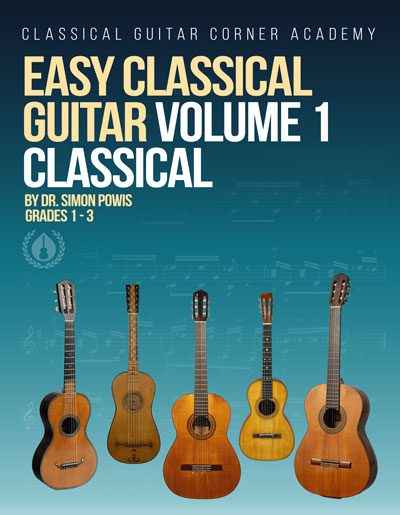
The CGC Academy Curriculum is divided into eight grades that flow on from one another. This allows for goal setting and a sense of achievement as you progress through the courses.
The fundamentals start right at the very beginning as a preliminary course and grades 7 & 8 are suitable for advanced players and university students. Grades 1 – 6 bridge that gap with a steady path to reaching your goal.
Meet the Team
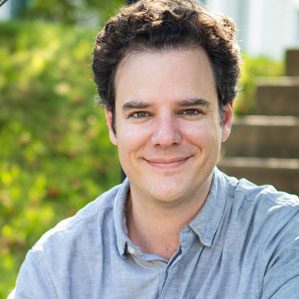
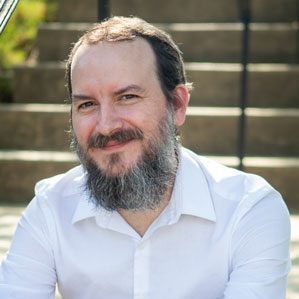
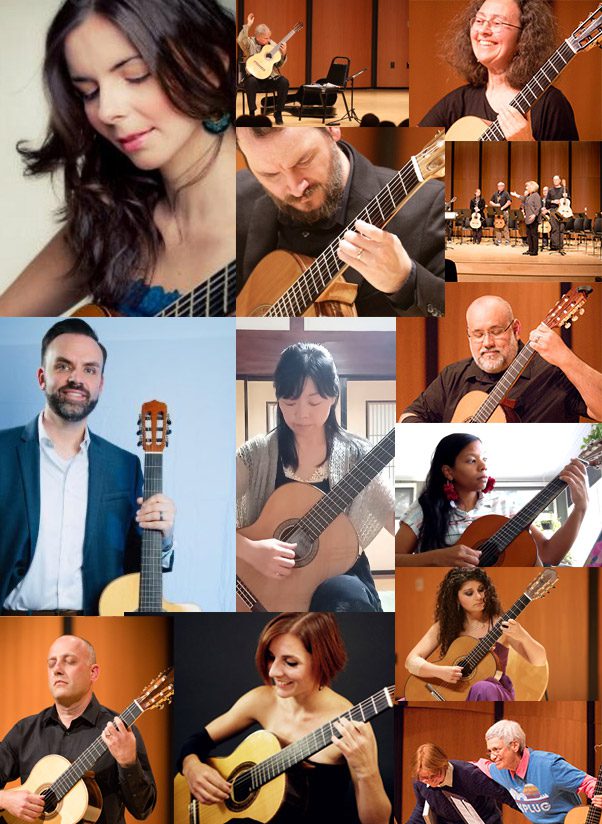
Sanja Plohl

Teacher
Internationally acclaimed as a virtuoso performer, Plohl has received over 30 major awards including first prizes at Córdoba Guitar Festival, Ivor Mairants Award (London) and Seville International Guitar Competition.
James Erickson
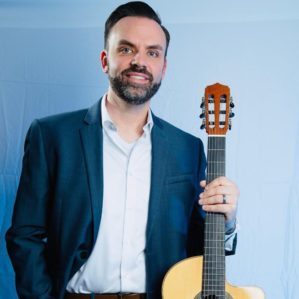
Teacher
James Erickson has an active career teaching classical and rock guitar throughout the New York metropolitan area and Long Island. James is an adjunct instructor of music at Nassau Community College, LIU Post, and Suffolk County Community College.
Jane Curry

Teacher
Born in the UK and now based in New Zealand, Jane has recorded six CD’s including a disc of Vivaldi and Graupner concertos with Archi D’Amore Zelanda and Orkiestra Ars Longa (Poland) and a Naxos CD of New Zealand Music for Two Guitars.
Nicoletta Todesco
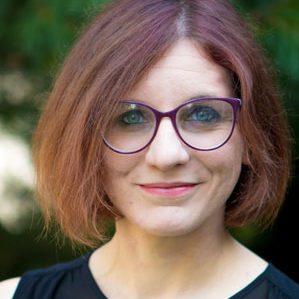
Teacher
Niki is an Italian guitarist with a masters in classical guitar performance from Yale University. She currently lives in New York City where she performs and teaches.
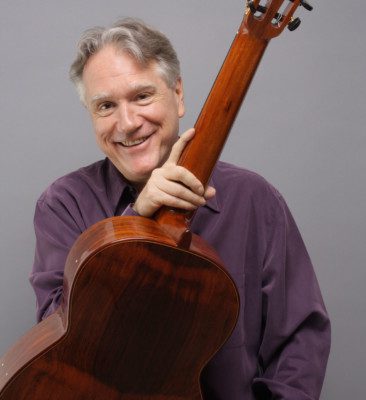
Simon Powis is the rare combination of a virtuoso guitarist and a thoughtful, forward thinking pedagogue.
Ben Verdery, Yale School of Music
Although he has performed, taught and given master classes all over the world, the talented and personable guitarist is perhaps most widely known these days for his highly regarded online classical guitar pedagogy: Classical Guitar Corner.
Classical Guitar Magazine
Originally from Australia, New York–based guitarist Simon Powis has built his online school into one of the most widely respected sites of its kind.
Acoustic Guitar Magazine
Your Personal Guide to Learn Classical Guitar
Structured . Progressive . Personal
Welcome to CGC
My name is Simon Powis and I am the founder of Classical Guitar Corner.
Whether you are just starting out, or you are re-visiting the guitar after many years, it is quite possible that the overwhelming amount of content available on the internet has left you confused about where to begin.
Personally, I need structure in order to learn, and that is why I have created a curriculum that is comprehensive (covering theory, technique, musicianship, sight-reading, repertoire, and ensemble playing) but also laid out in a step-by-step format that is easy to follow.
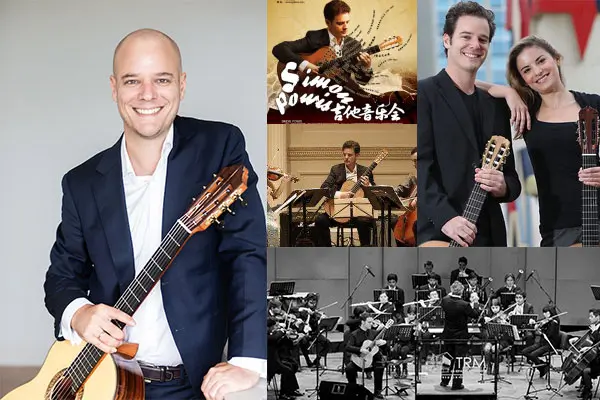
Teaching Credentials
- Doctorate in performance from Yale University
- Masterclasses taught in major universities and international festivals
- Teaching online for over fifteen years
- Author of multiple books including a beginner guitar method and sight-reading curriculum
- Director of the annual CGC Summer School
Performance Credentials
- International concert performances including Carnegie Hall, The Kennedy Centre, the GFA symposium, and Banff Center for Performing Arts.
- Multiple album recordings both solo and collaborations
- Solo concerts at guitar festivals in Mexico, Peru, U.S., U.K. Australia, New Zealand, China, and Europe.
Reviews &Testimonials
Finding this site has been one of the great joys in my life.
Barry , CGC Member
I’ve seen a lot of change in guitar pedagogy in my life and I think that the clarity of your teaching as well as your expert use of technology provides enormous value to guitar students at all levels.
Lou, CGC Member
I am now 56 years young and it took a lot of trial and error trying to learn on my own and jumping from one you tube channel to the next without any clear path for progression until I came upon Classical Guitar Corner!
Chris, CGC Member
CGC Highlights
Classical Guitar Corner Podcast
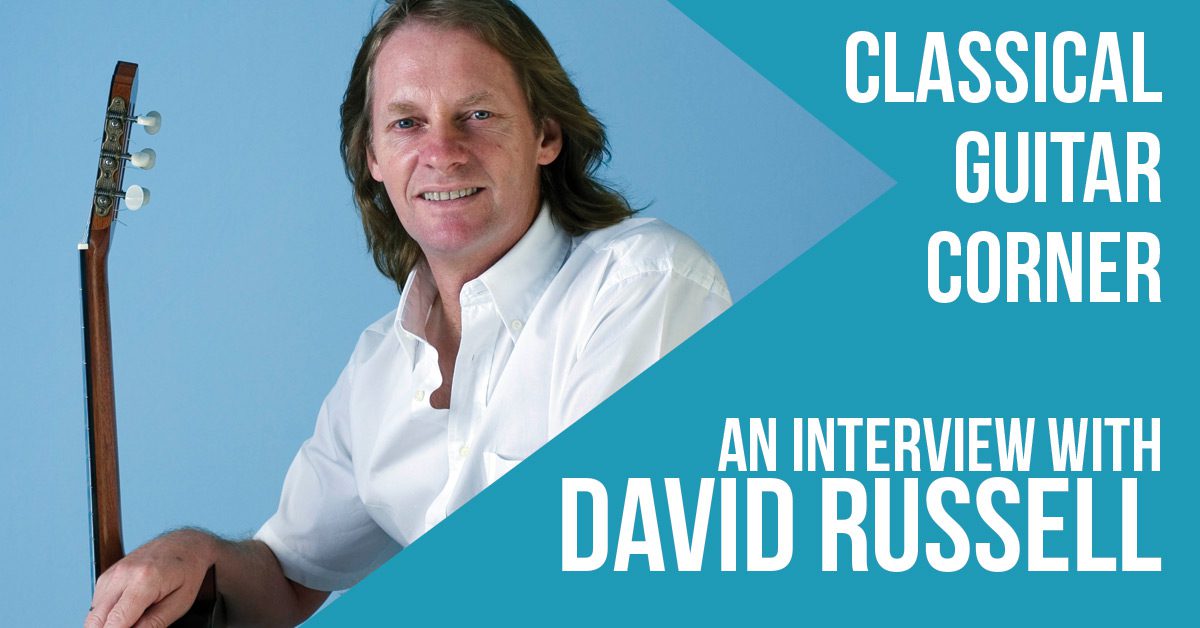
The Classical Guitar Corner Podcast brings you master musicians from around the world in conversations that provide insight into their learning process.
Some highlights so far include:
Classical Guitar Corner Free Lessons
The Classical Guitar Corner Blog has some thought provoking and inspiring articles that delve into a range of topics.
Some highlights so far include:
CGC Membership
Membership at CGC is for you if you are dedicated to improving your playing and willing to be part of a supportive and enthusiastic community of guitarists. There is a lively forum where you can get your questions answered, a comprehensive set of courses that you can approach step-by-step, and regular live coaching sessions where you can get individualized feedback. If you would like to read or see more specifics…
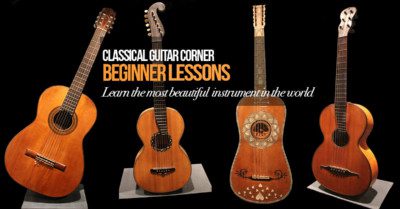
Learn Classical Guitar Online With Our Free Resources
Beginner Lessons
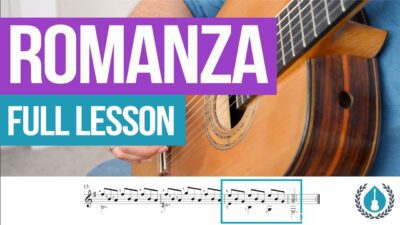
Repertoire Lessons
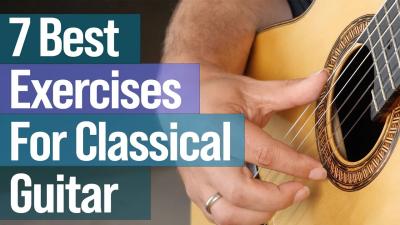
Technique Lessons
Sight-Reading
Guitar Theory

How to Practice